
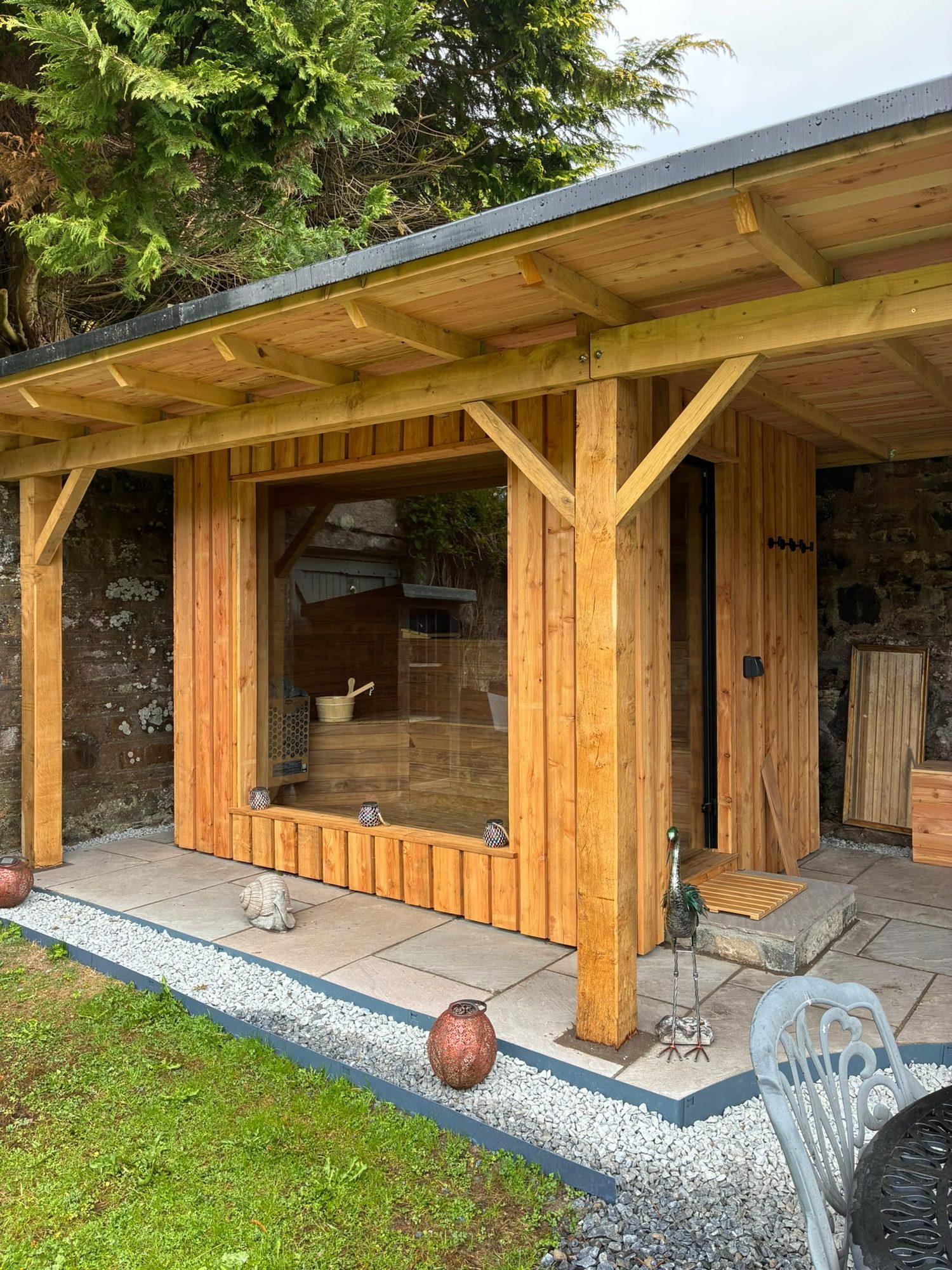
Joinery considered as part of the building
Agree the joinery detailsbefore closing up the work
CG Joinery & Building (Aberfeldy) Ltd approaches residential joinery through existing condition, practical access and the relationship between the agreed work and surrounding construction.
25 years
Construction experience
Family-run
A personal approach
£2m
Liability cover
One team
In-house & specialist trades
About this service
Joinery with the surrounding construction considered
Joinery should be considered in relation to the building around it, not only as a finished visible surface. Existing materials, support, access and adjoining finishes can all influence the work being proposed. A useful scope starts with the actual condition and practical limits of inspection. It explains what is being changed and what will remain, rather than assuming that a new visible element means every concealed part of the surrounding construction is also new.
For residential projects in Aberfeldy and Perthshire, CG coordinates its in-house team and specialist subcontractors according to the agreed project. We discuss the intended joinery and associated construction responsibilities before treating the work as a straightforward materials order. Technical decisions remain with the appropriately responsible trade or adviser. We do not promise that photographs or a remote description can establish every concealed condition or answer a structural question without the relevant advice.
Who it’s for
- Homeowners renovating and wanting joinery considered alongside the condition of surrounding construction.
- Families planning an extension where new work needs a clear relationship with the existing house.
- Owners comparing proposals and wanting to understand retained materials, associated finishes and making good.
Why it matters
Questions worth resolving before joinery starts
The most visible part of a proposal is not always the complete scope. These points guide discussion of an actual project; they are not an assessment of your property or a recommendation to open concealed construction without suitable arrangements.
A finish hides an unresolved condition
A new visible surface does not establish the suitability of the material beneath it. Softened timber, distortion or unexpected movement should be investigated rather than simply covered over. The scope should distinguish a cosmetic intention from work needed to address the underlying condition, with specialist or design advice informing the proposal where required.
Adjoining work falls between responsibilities
Joinery can affect surrounding construction and internal finishes. If access and making good are not discussed, different participants may assume the same task belongs to someone else. The quotation should explain the agreed boundaries and important exclusions, rather than leave the homeowner to discover that a necessary adjoining item was not included.
Selections are left open while preparation proceeds
A later choice can affect materials, preparation and the order of work. Treating an undecided detail as settled can make the scope difficult to understand. Identify which selections remain open and what information is needed before ordering or completing surrounding construction, without claiming that early planning can prevent every discovery in an existing home.
Common mistakes to avoid
- Assuming a new visible finish also means renewal of every concealed component.
- Covering timber deterioration or unexpected movement without appropriate investigation.
- Comparing quotations without checking preparation, access, waste handling and making good.
- Treating a practical construction discussion as structural advice or statutory approval.
Our process
How we deliver
your joinery project.
Discuss the work and existing information
Explain the joinery you are considering, the property and any wider renovation or extension plans. Safely taken photographs can help describe the setting. A site visit considers the building and access while recognising that concealed areas may need further investigation before the full condition or scope can be established.
Consider condition and relevant interfaces
We discuss what can be inspected initially and how the proposed work relates to adjoining construction. Existing timber condition or unexpected movement may require further advice. Where specialist input or statutory approval is needed, it should inform the construction approach rather than be sought after an unsupported alteration has already been made.
Define the proposed joinery scope
The quotation should describe the agreed work, relevant materials and associated details. Access, waste handling and internal making good should be clear where relevant. Outstanding selections and uncertain hidden conditions should be identified rather than presented as confirmed, so you can understand both the allowance and the decisions still required.
Coordinate construction and agreed changes
Joinery needs to be sequenced with surrounding construction and the relevant trades. Information should reach the people who need it before affected work is closed up. If opening-up reveals a further problem, we discuss the implications and proposed changes before continuing beyond the agreed scope, with relevant specialist advice where needed.
Review the details and care information
At completion, discuss what was undertaken and which relevant care instructions or records apply. Keep the quotation and agreed changes together. The handover should reflect the actual work, including what was retained, rather than suggest that a completed joinery project removes the need for future maintenance or establishes a fixed lifespan for existing materials.
What you gain
The benefits of doing it properly.
A defined scope before commitment
The quotation should explain what is being allowed for, important exclusions and the assumptions behind the proposal. This gives you a more useful basis for discussion than a total alone. Ask which choices remain open and whether a later selection would change the work rather than assume every possible detail has already been included.
Construction experience behind the conversation
CG is a family-run business led by owner Callum Gilbert, who has 25 years of construction experience. That background supports practical discussion of preparation, access and sequencing around joinery. It does not remove the need for specialist or design advice where required, and it should not be confused with authority to approve an unsupported structural change.
Clear responsibilities between participants
An in-house team and specialist subcontractors need a shared understanding of the agreed joinery and its relationship to other work. CG coordinates those interfaces so relevant information reaches the people who need it. Technical decisions remain with the appropriately responsible trade or adviser; coordination is not a reason to blur roles or assume approval has been given.
Decisions considered before ordering
It is easier to review a detail while choices and preparation can still be discussed. Early agreement helps identify information required from you and the decisions that affect surrounding work. It cannot remove every concealed problem in an existing property, but it can reduce avoidable uncertainty about the materials, scope and intended relationship with adjoining construction.
Planning that acknowledges an occupied home
Where you remain in the property, access, possessions and the affected parts of the house need practical discussion. Tell us about household needs at the outset so arrangements can be considered within the scope. A construction project should not be presented with a blanket promise of silence, no dust or no interruption simply because it involves joinery.
Handover information with a clear purpose
Keep the agreed quotation, written changes and applicable care information together. Useful records explain what was done and what remained outside the scope. This gives future maintenance or construction questions a better starting point than memory, particularly if later work involves another contractor or a different part of the same property.
In detail
The details behind a workable joinery proposal
Not every item applies to every property. The proposal should follow the actual condition, intended work and relevant specialist input rather than add tasks simply because they appear on a standard checklist. These points explain what to discuss before assuming the scope is settled.
Repair, retention or a wider scope
The appropriate extent of work depends on condition and the distribution of defects, not appearance alone. A local intervention and a broader renewal address different things. Ask which existing components are retained and what the proposed work actually resolves. A new visible finish should not be understood as confirmation that every concealed layer, supporting element or adjoining material has also been renewed or assessed.
Materials and compatibility
Materials need to suit their intended application and relationship with adjoining construction. Appearance is part of a decision, but a visual match alone does not establish technical suitability. The proposed material should be considered alongside the arrangement in which it will be used and relevant manufacturer guidance. Where a choice remains open, make clear whether it affects preparation, other materials or the agreed construction scope.
Timber condition and structural questions
Softened timber, distortion or unexpected movement should be investigated rather than hidden behind new work. Condition and the demands of the proposed alteration both matter. If a question requires structural consideration or design advice, that input should inform the construction proposal. A practical site conversation does not replace the appropriately responsible adviser's assessment or establish that a statutory approval has been obtained where one is needed.
Adjoining finishes and making good
Clarify what happens where the proposed joinery meets existing construction. Access, preparation and internal making good can change what a quotation actually includes. Compare these details as well as the main item of work. If a surrounding finish is excluded or depends on another decision, retain that distinction in the agreed scope rather than assume an undefined allowance will cover every affected area.
Sequencing with the wider project
Joinery may be one part of a renovation or extension rather than an isolated appointment. The sequence should allow relevant information from the people responsible for adjoining work to be considered before details are closed up. Technical decisions remain with the appropriate trade or adviser. Coordination connects the tasks but does not justify completing an area while a relevant specialist question remains unresolved.
Discoveries, changes and ongoing care
If opening-up reveals a condition beyond the original assumptions, discuss the implications and proposed response before continuing beyond the agreed work. Keep written changes with the quotation and applicable care records. At completion, ask which maintenance information relates to the materials and areas worked on. A completed project does not establish one fixed service life for every component or remove the need to monitor retained construction.
Related services
Next step
Request a Quote
To discuss joinery in Aberfeldy or surrounding Perthshire, call 07584 048096. CG Joinery & Building (Aberfeldy) Ltd is open Monday to Saturday, 6am to 8pm. Tell us about the property, the work you have in mind and any existing plans or concerns. We can discuss a site visit and detailed no-obligation quotation with the scope and further information needed made clear.
£2m public & employers’ liability · 6 & 12-month defects liability on builds · Mon–Sat 6am–8pm